Skip to content
- Jvari is the first domed church in Georgia and dates back to the early 7th century. Still good.
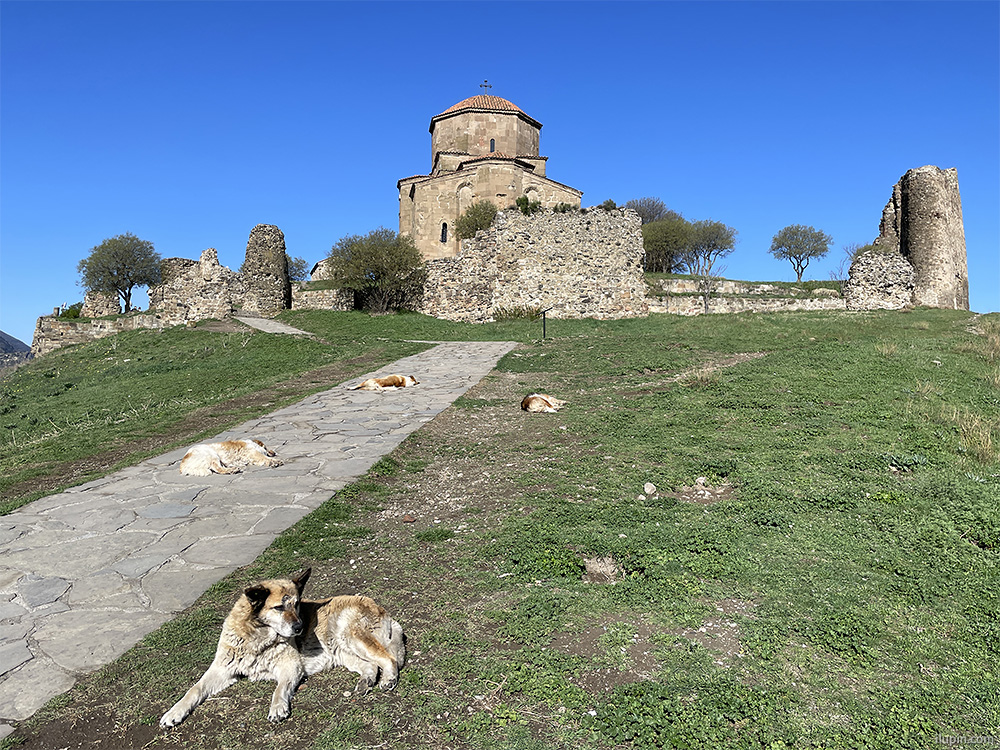
- Heart of Georgia.
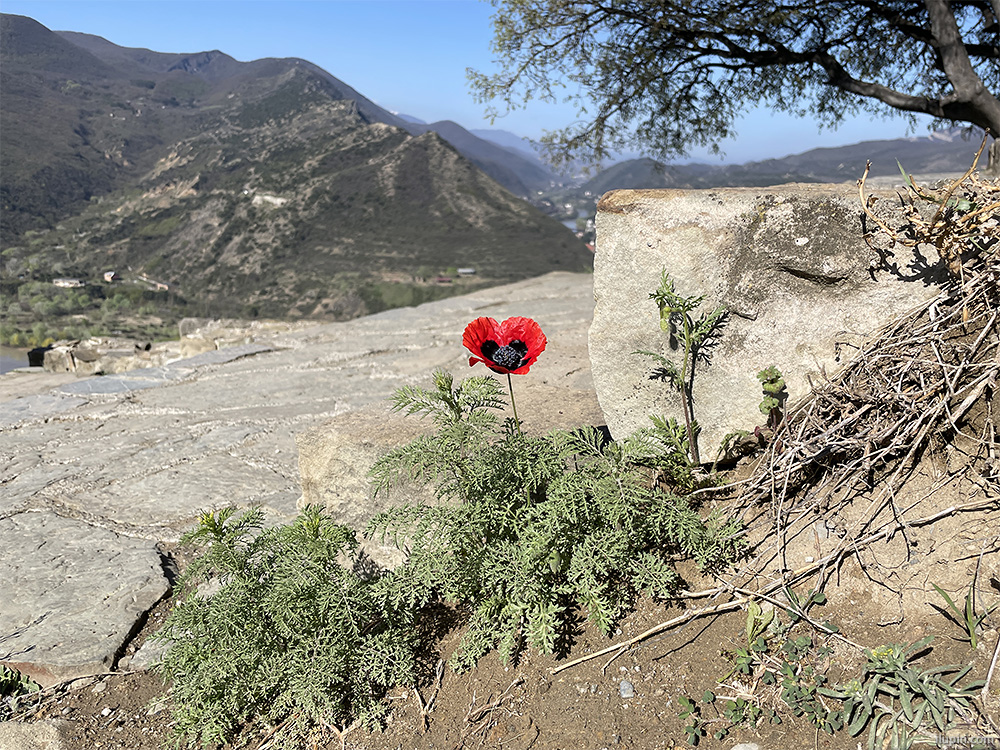
- Soul of Georgia.
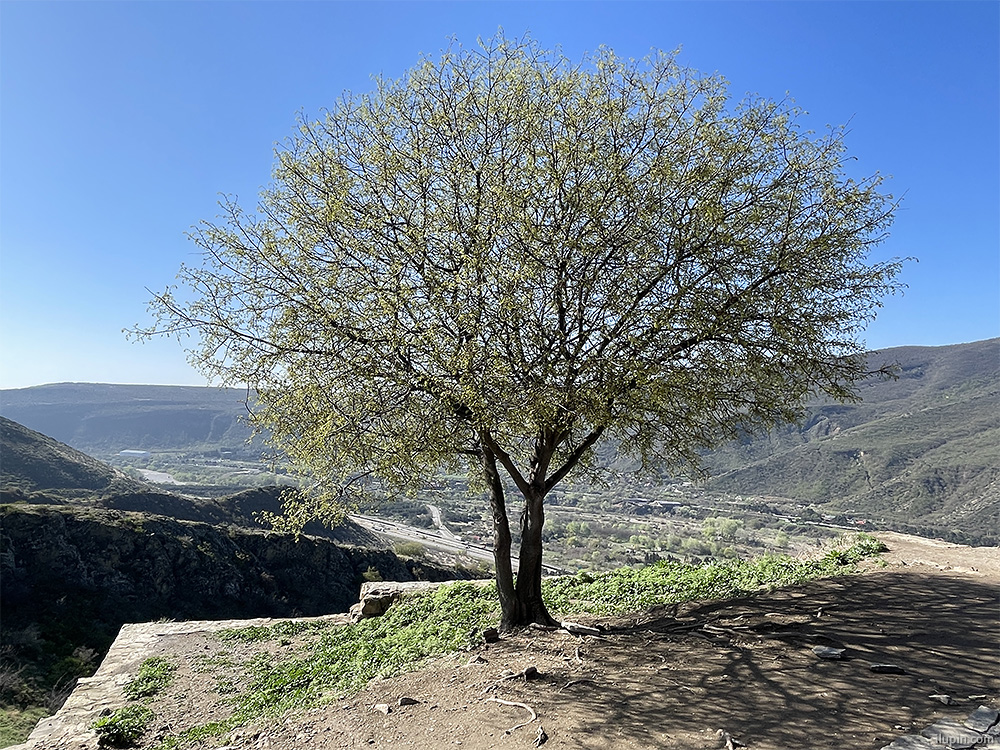
- Strength of Georgia.
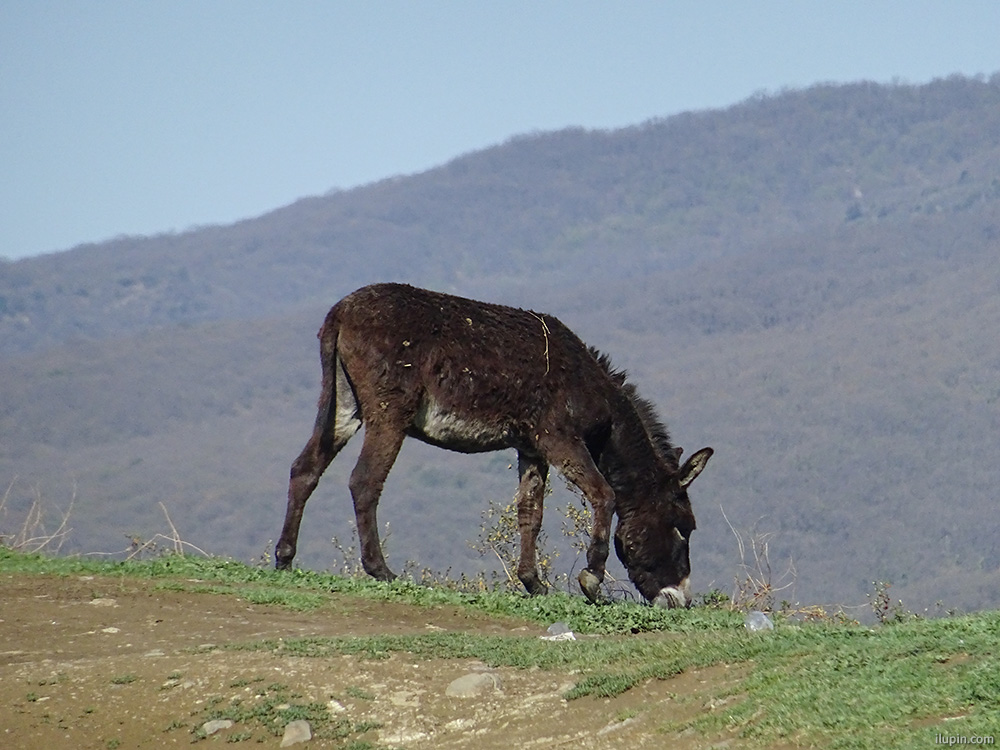
- Mtskheta, the ancient capital of Iberia, was founded in the 5th century BC (the first settlements appeared here as early as the Bronze Age).
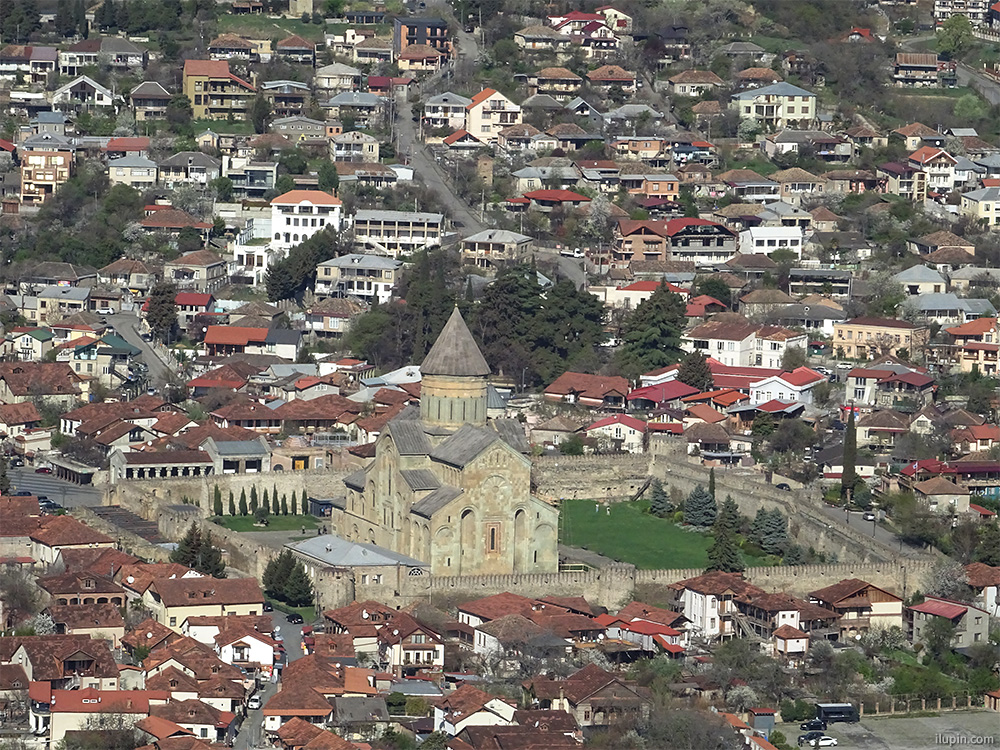
- The 11th-century Svetitskhoveli Cathedral in Mtskheta is the second largest after the golden-domed Trinity Cathedral. But it’s not about the size.
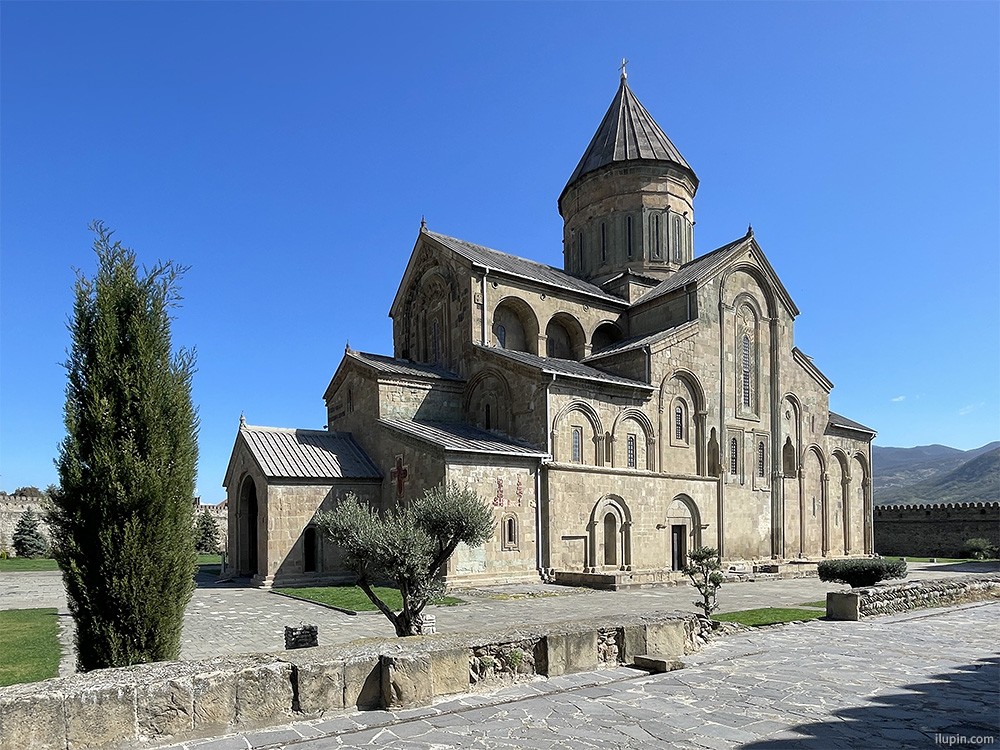
- Cathedral courtyard.
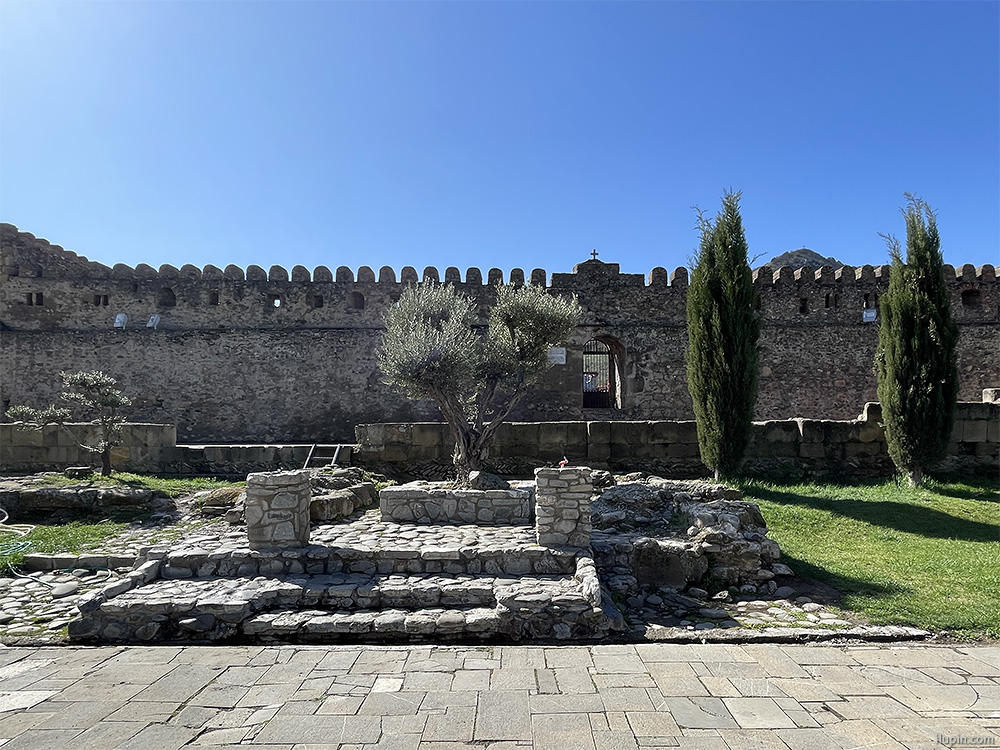
- Divine light.
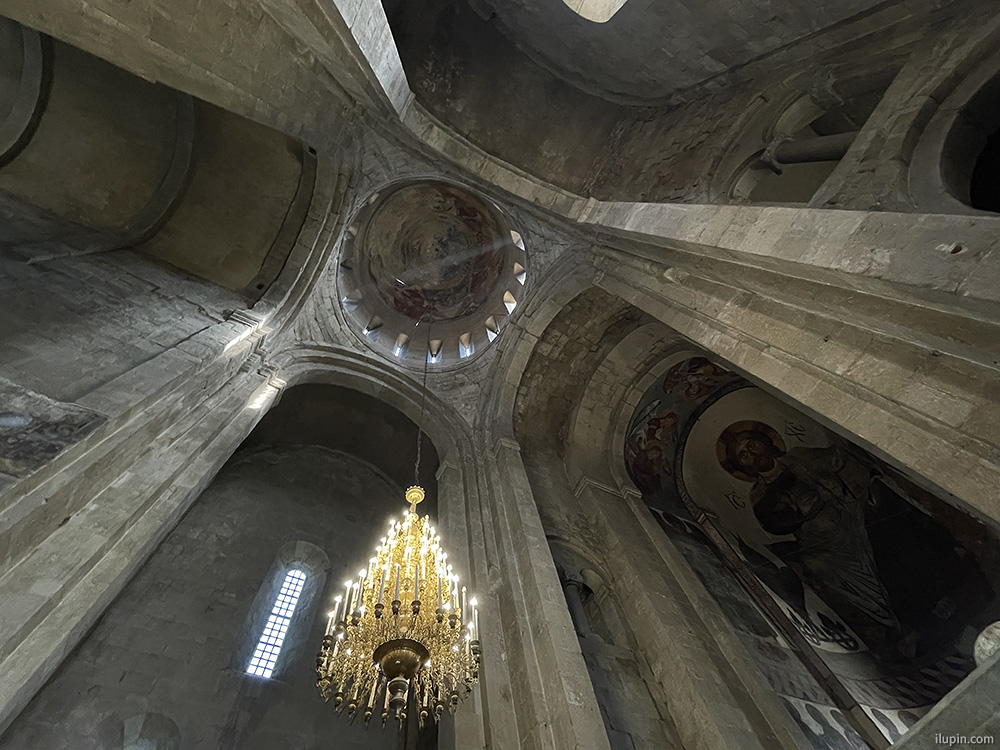
- Flame of faith.
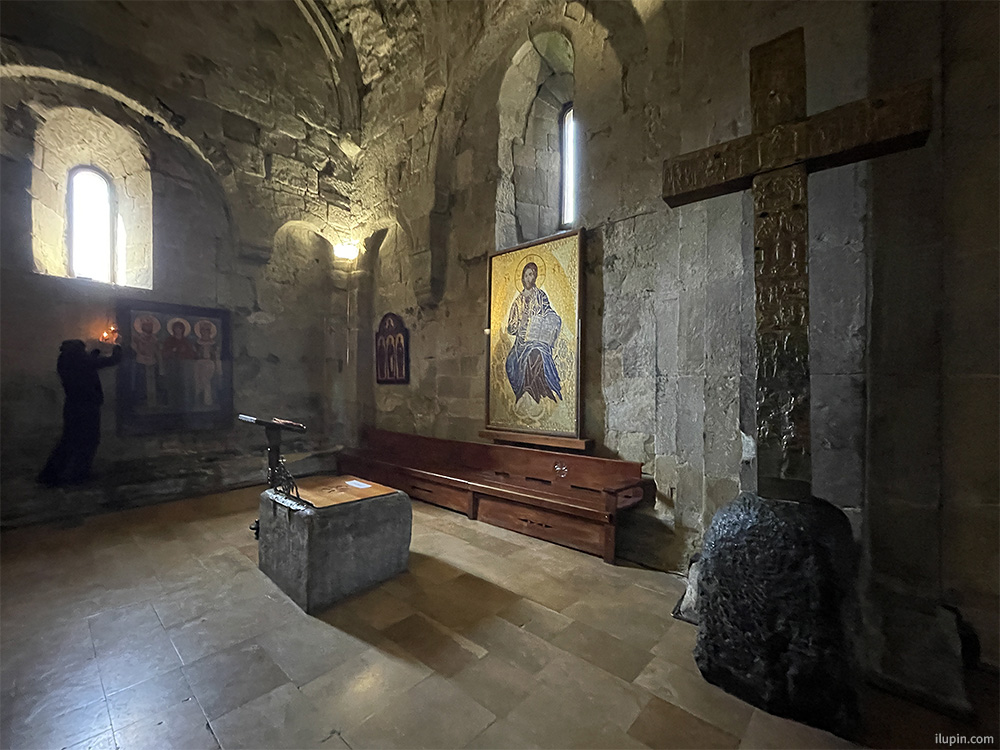
- The grapevine cross was brought to Mtskheta by St. Nino, and then wandered here and there for a long time (now resides in the Sioni Cathedral).
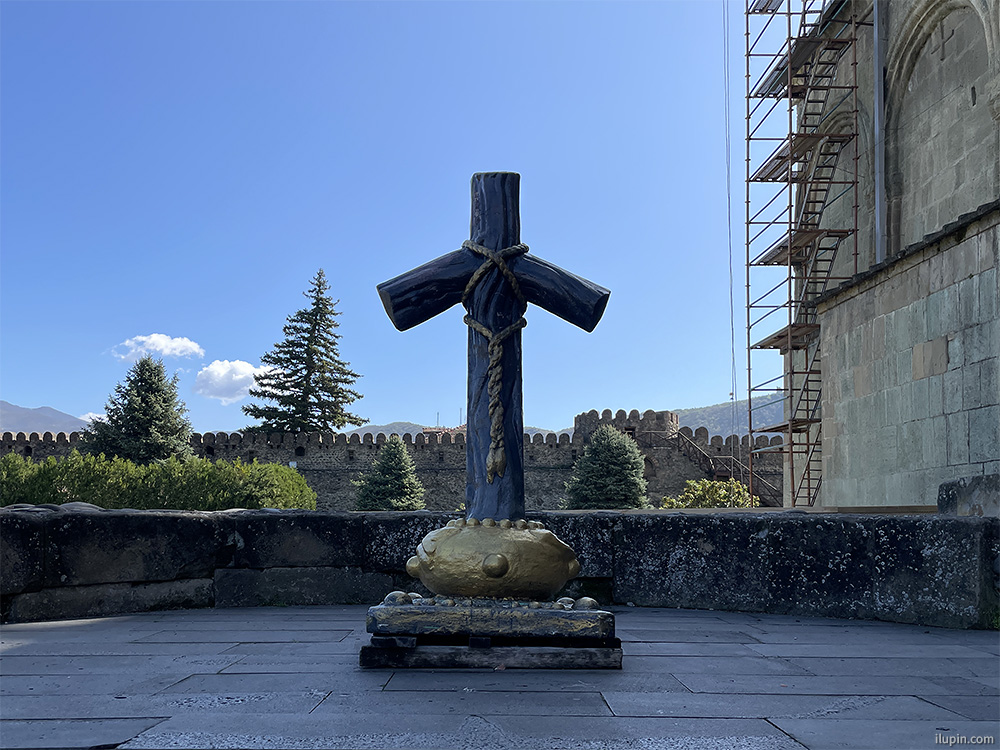
- Beautiful branches won’t trim themselves!
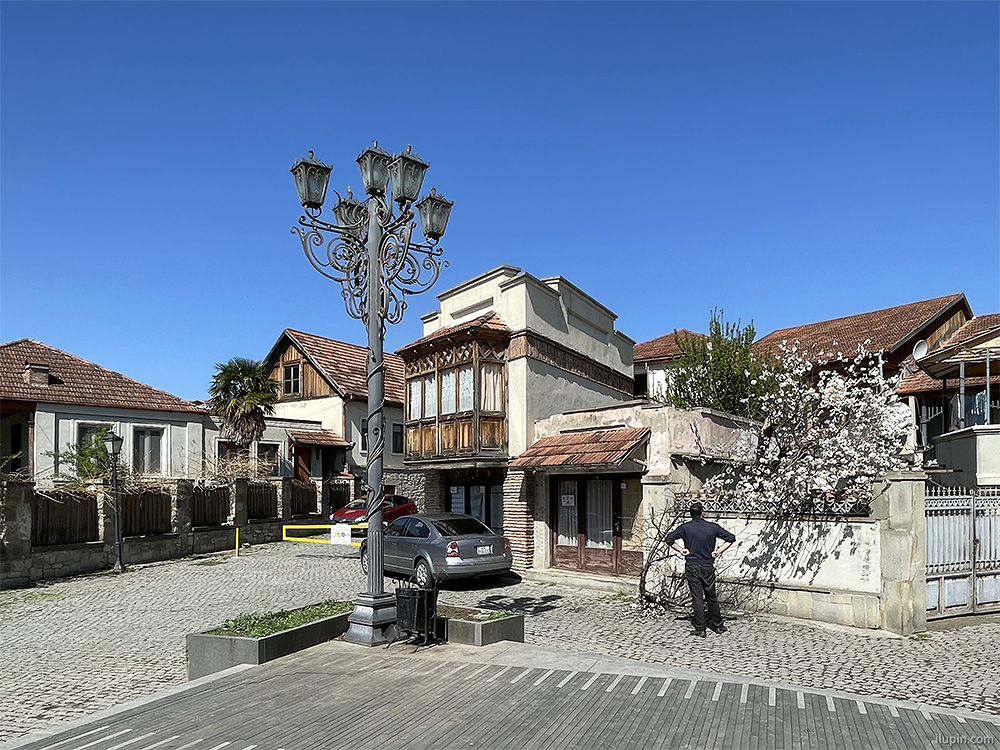
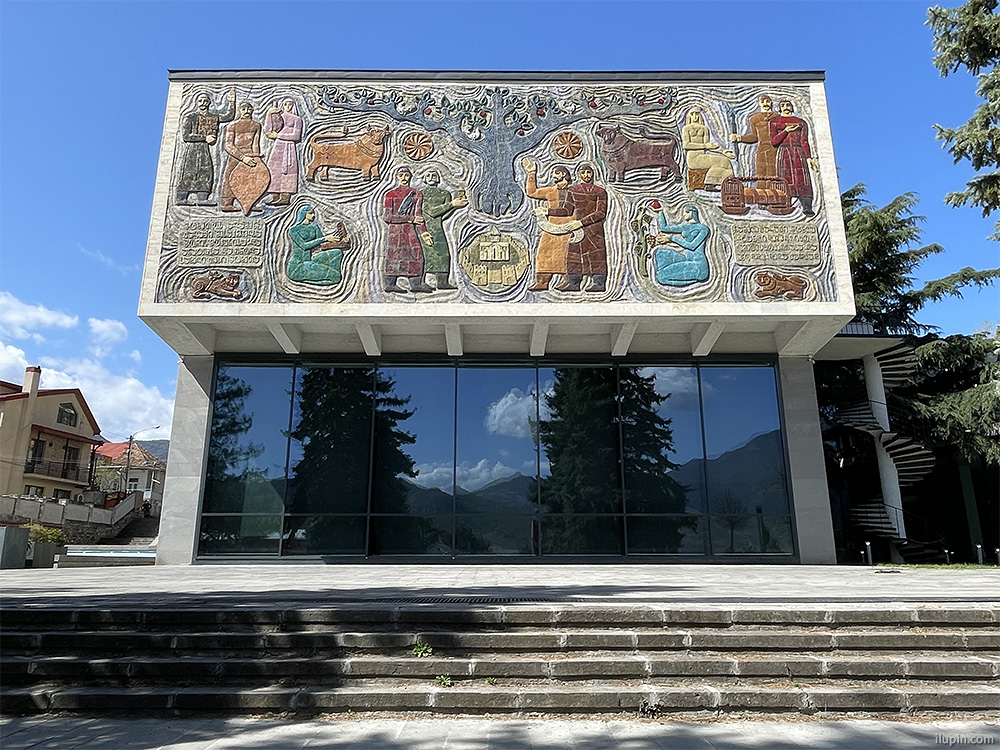
- An archaeological museum in a reconstructed cinema building with a monumental ceramic panel from the Brezhnev era.
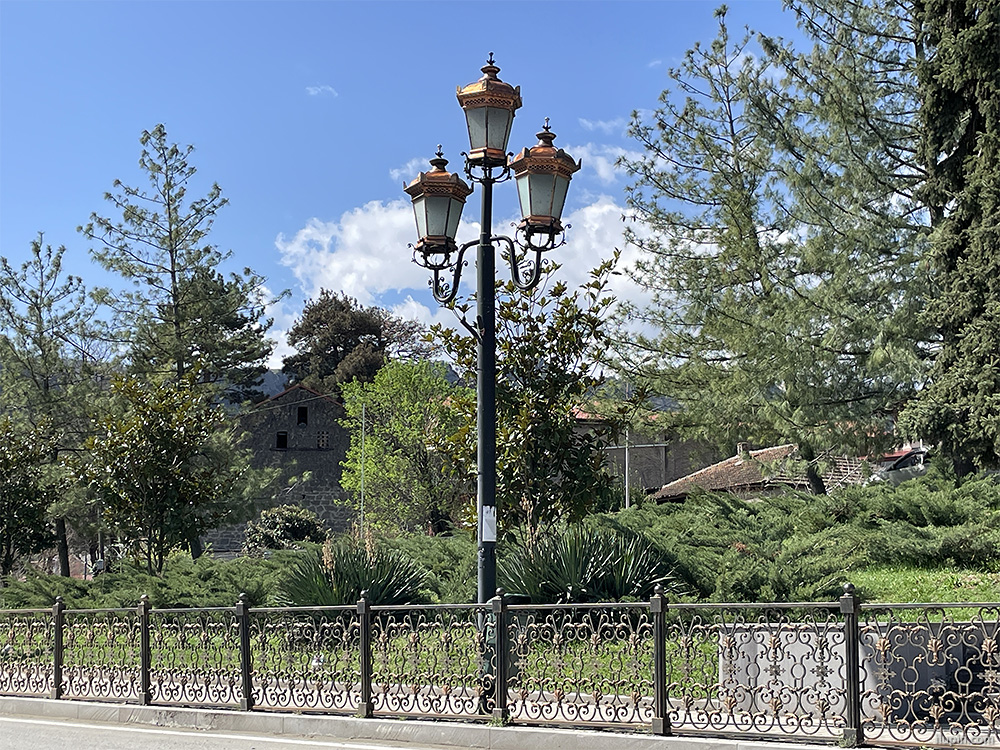
- Lanterns, too.
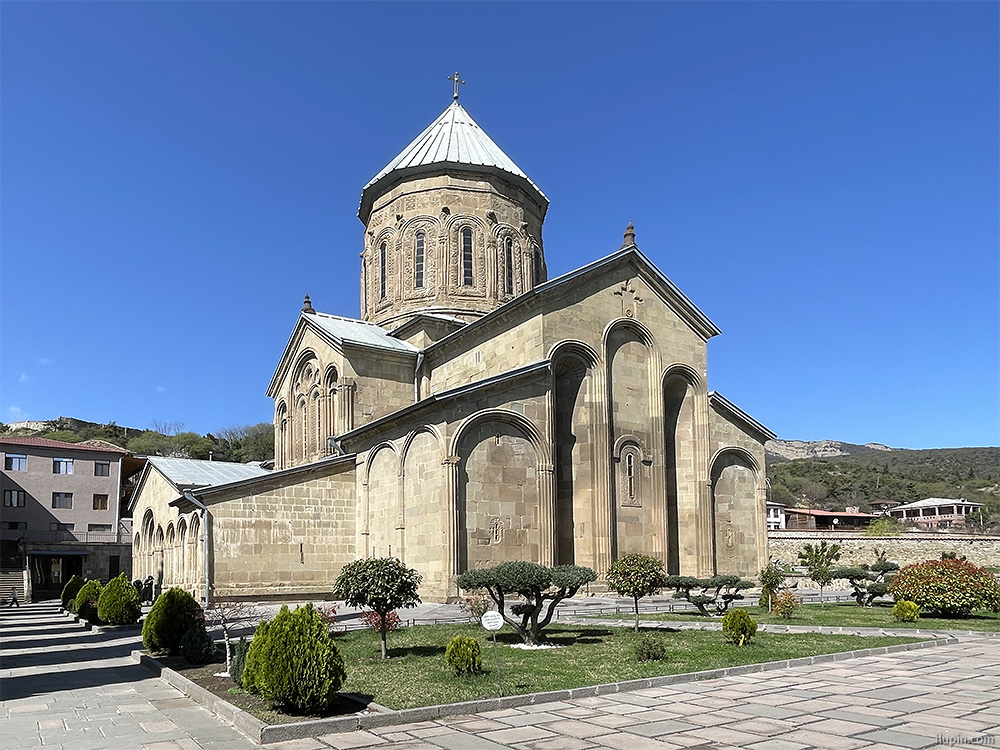
- The Transfiguration Church in Samtavro Monastery in northwest Mtskheta. Founded in the 4th century, revised and updated in the 11th.
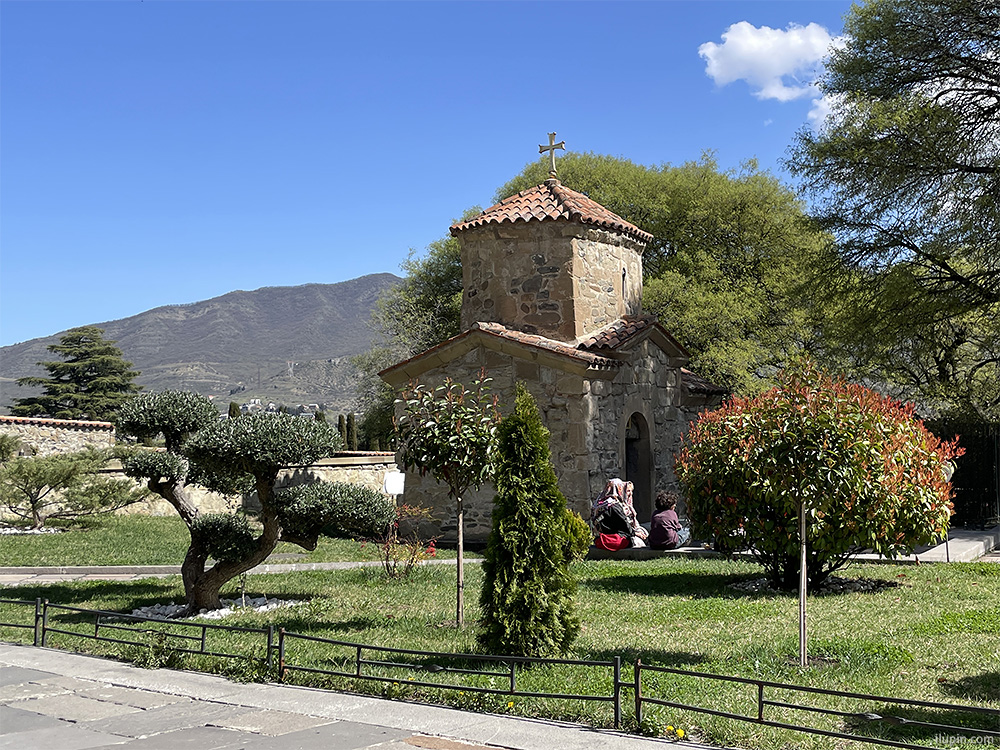
- The Small Church of St. Nino in the monastery courtyard.
- I wish it were like this everywhere.
- The rock-hewn town Uplistsikhe was founded 3,000 years ago and developed until the 13th-century Mongol invasion with fire and sword.
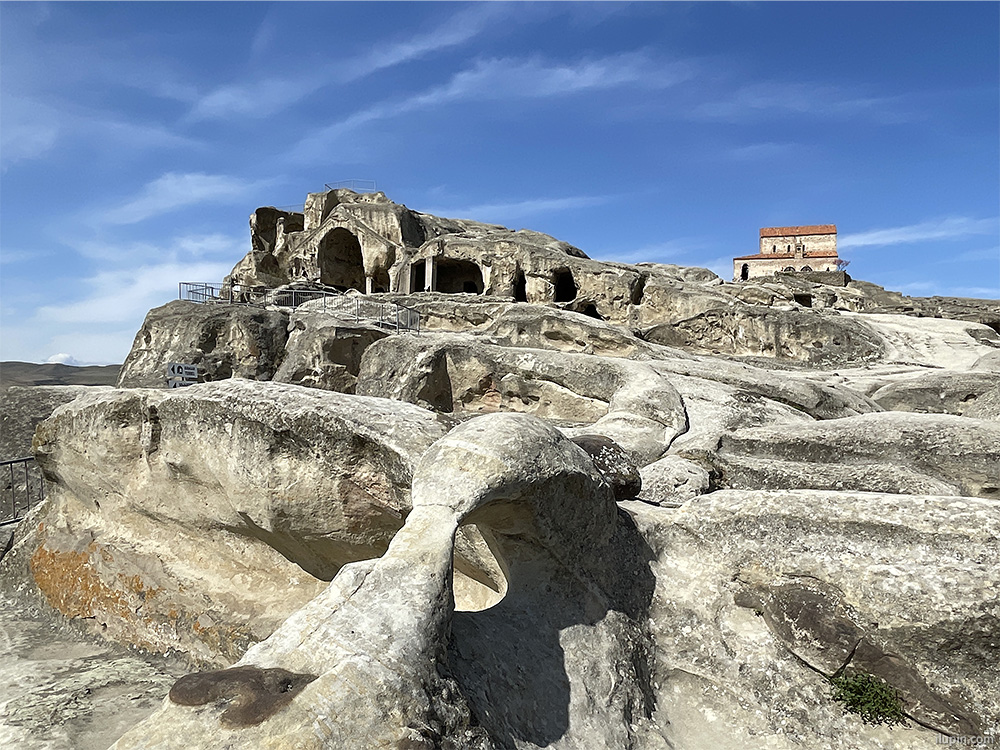
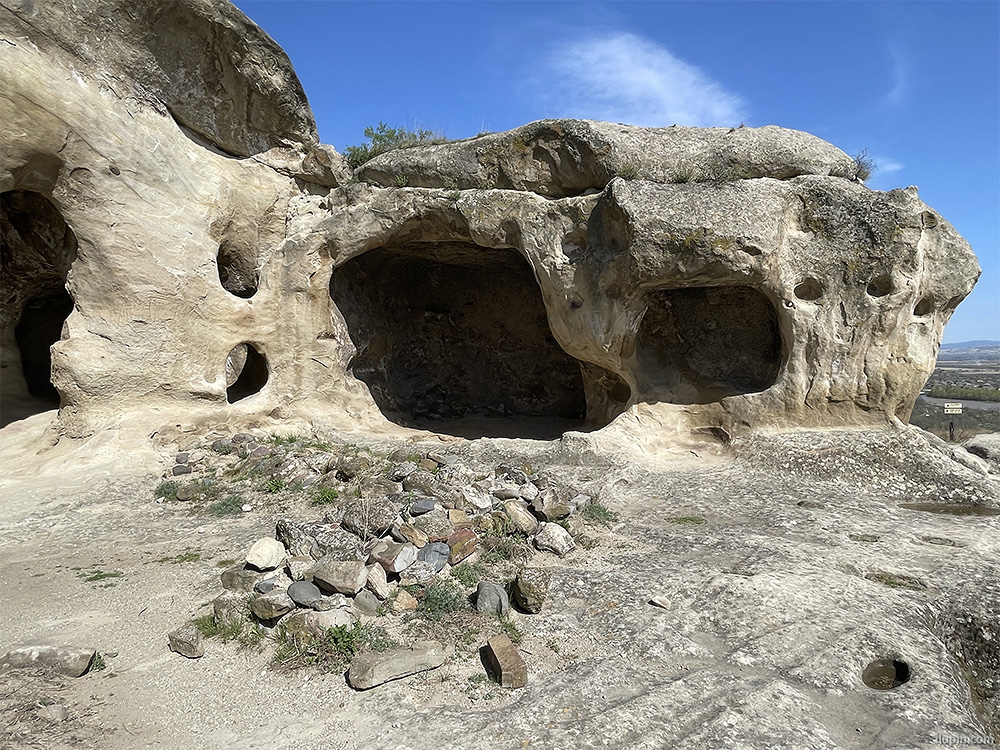
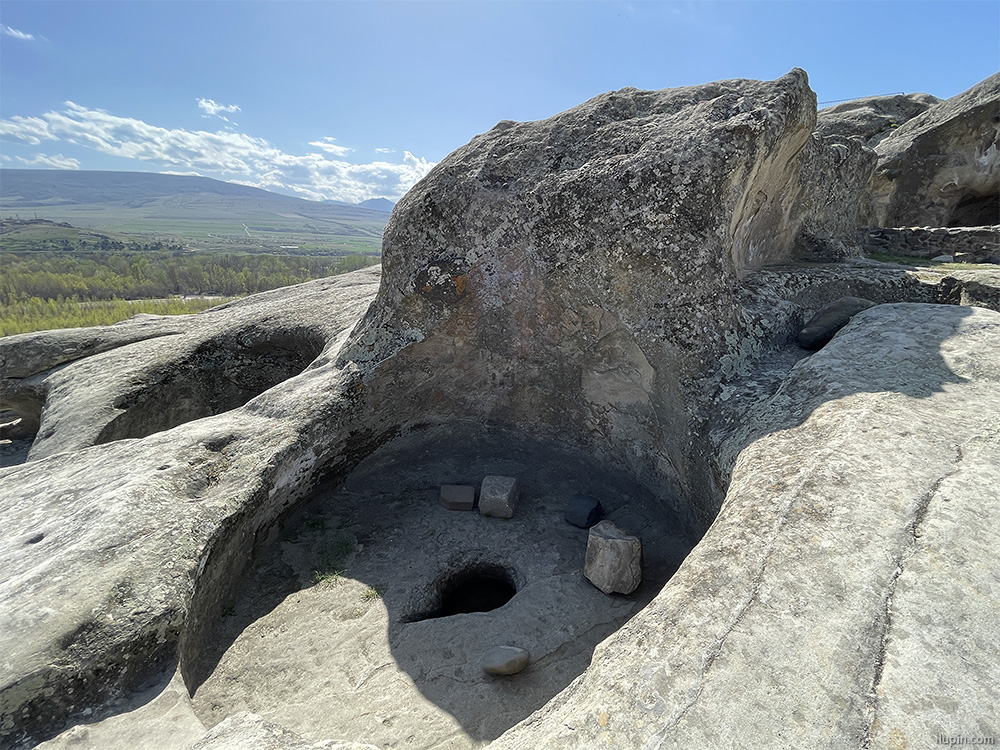
- The stone walls reliably protected from the wind, and the mild climate made it easy to warm the premises even in winter.
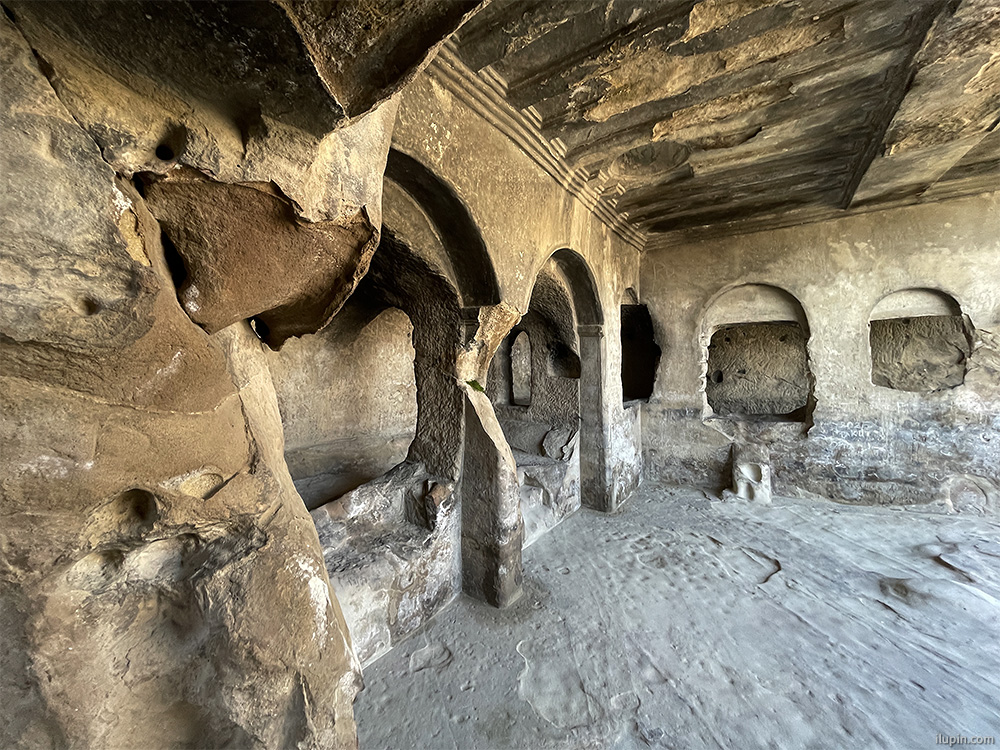
- Architectural excesses in the so-called Queen Tamar Hall (which she may not have even visited).
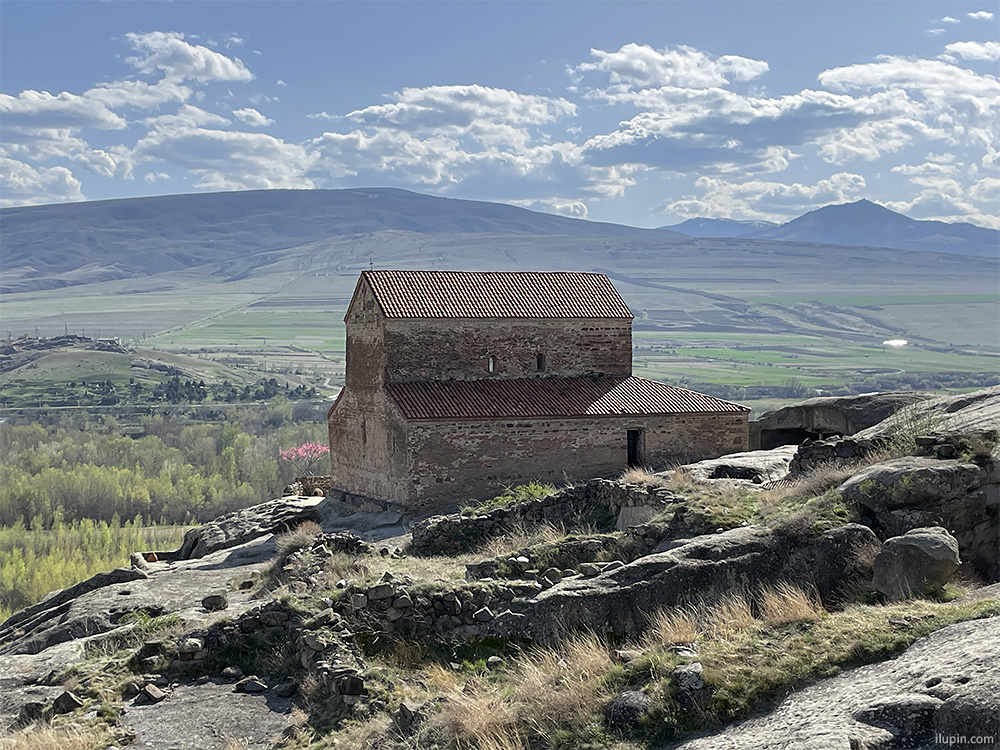
- Long before the Mongols, the first Christians readily killed and burned local pagans. The Uplistsuli Church was built much later, in the 11th century.
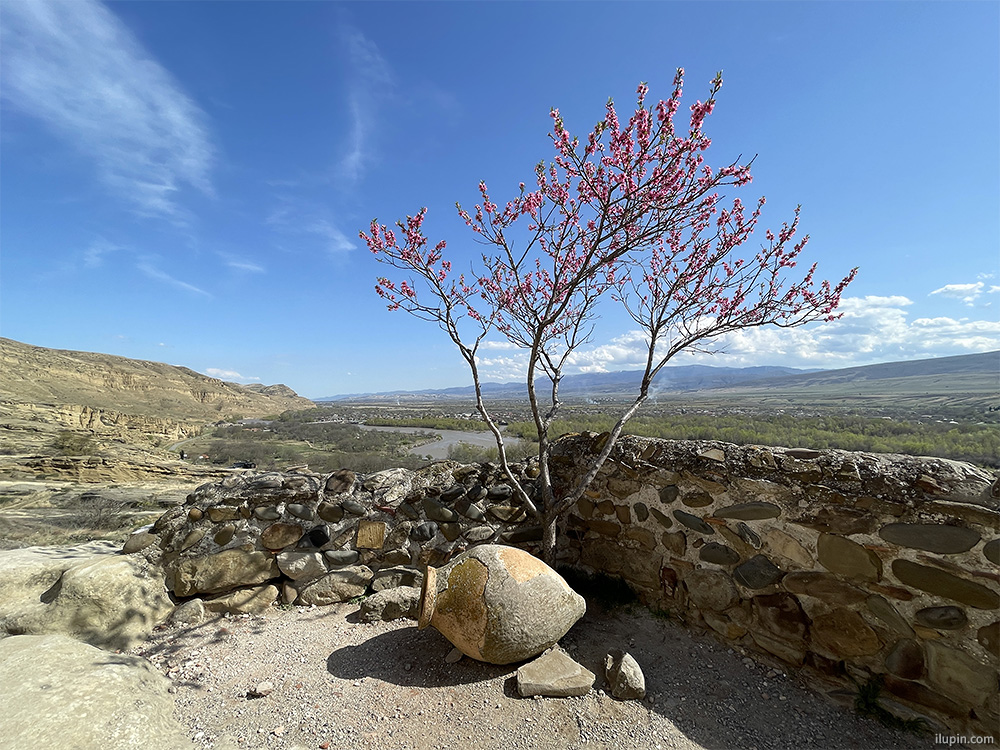
- Meanwhile, Japanese quince fruits are used to make delicious jam, and they can also be added to tea for a fragrant sourness.
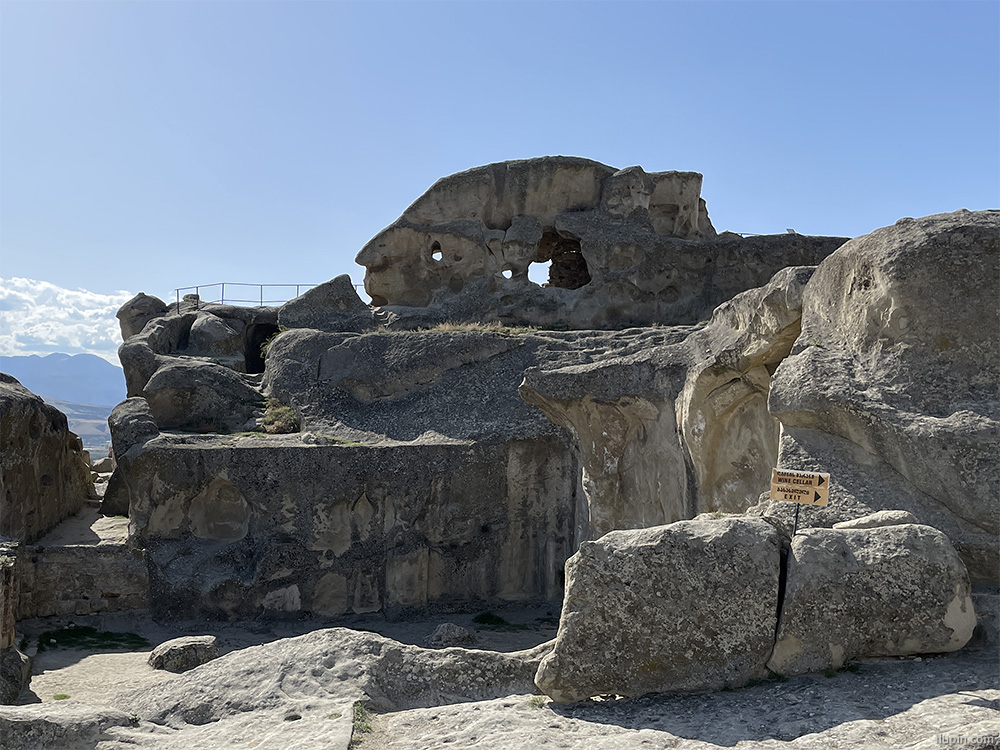
- The natural and structural transformation of sandstone in Uplistsikhe leaves room for the pareidolia. Here’s a caiman, for example.
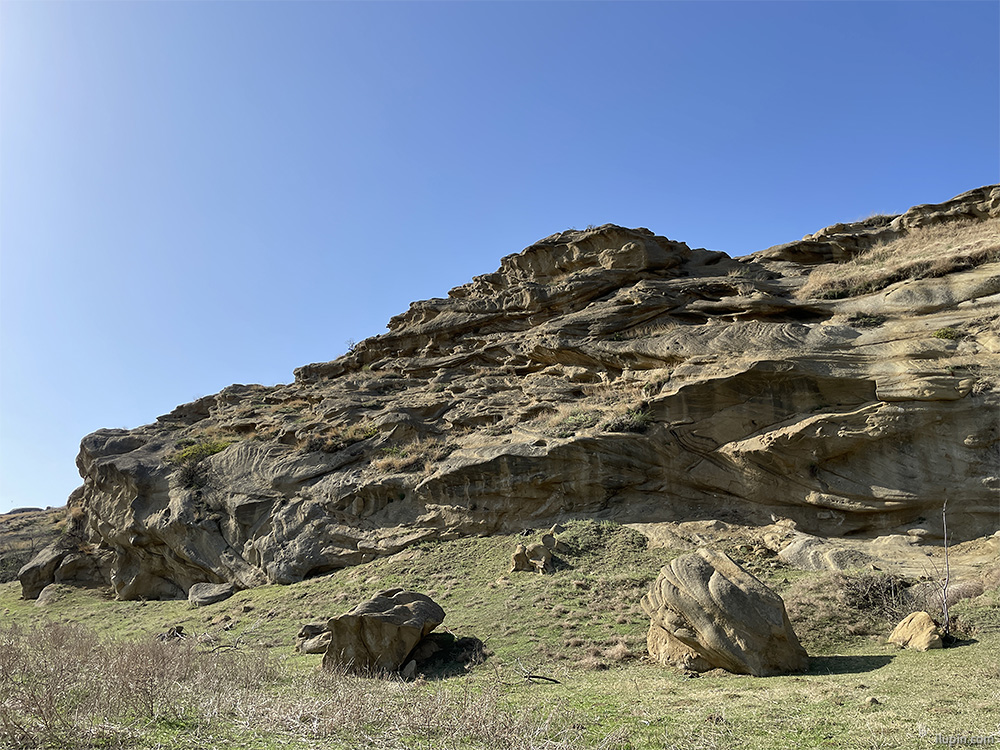
- An elephant.
- A ducky.
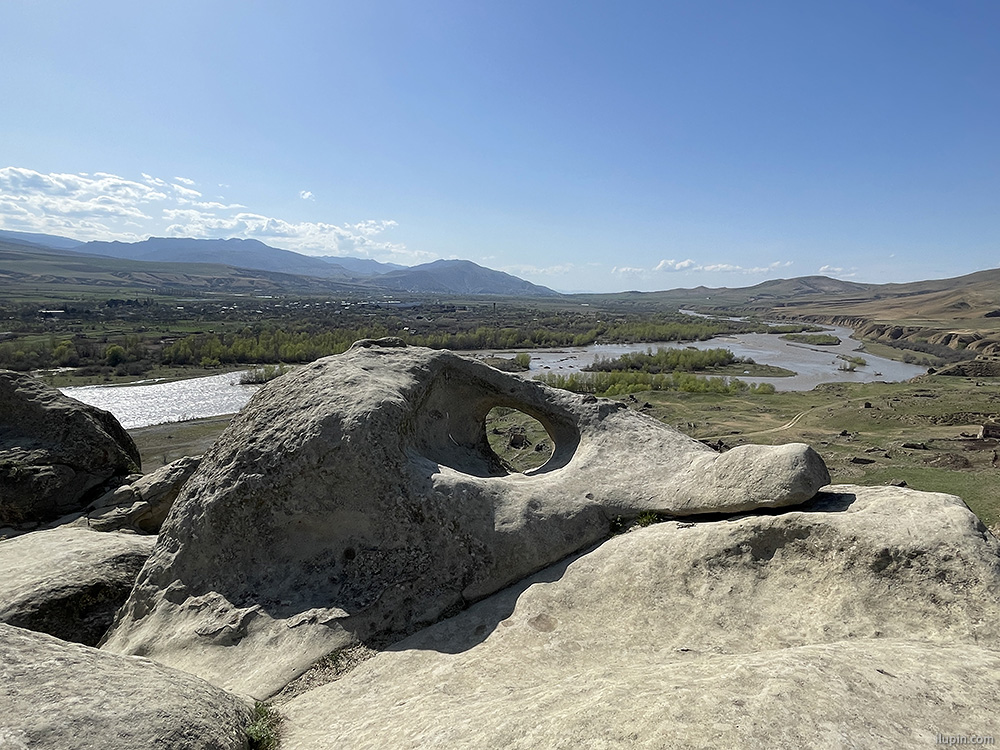
- A dolichocephalic man with an annular cranial deformation, characteristic of many ancient cultures. All coincidences are random.
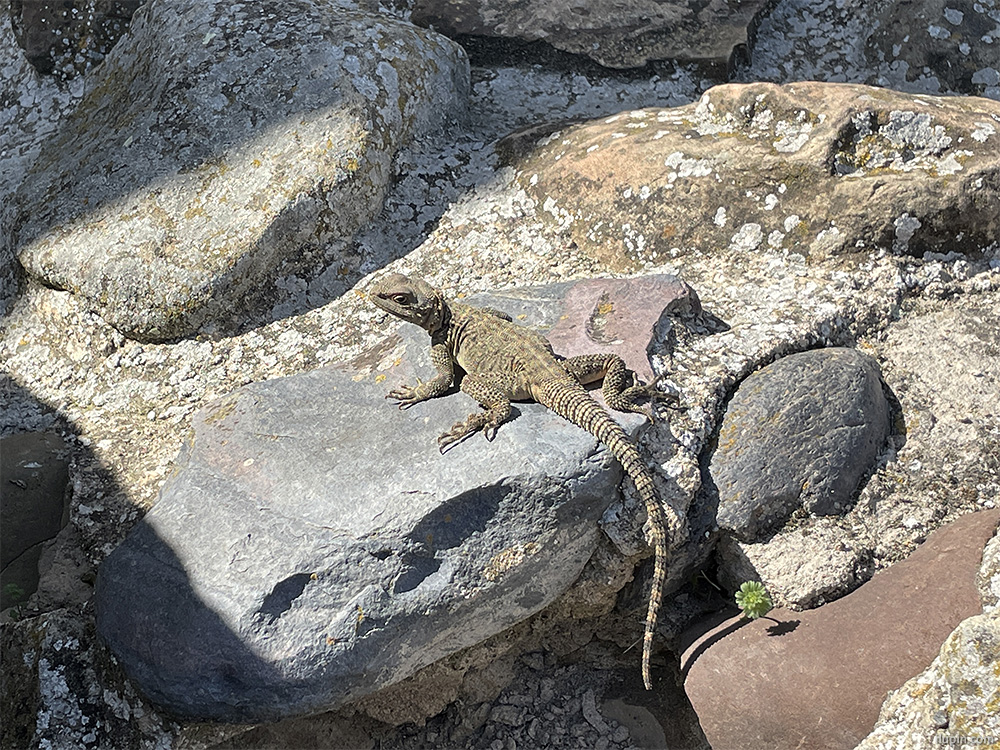
- Caucasian agama, too.
- Neighboring Gori: “Requiem” by Giorgi Ochiauri (a memorial to war heroes — corpses and amputees), the cathedral, and the ghoul’s museum.
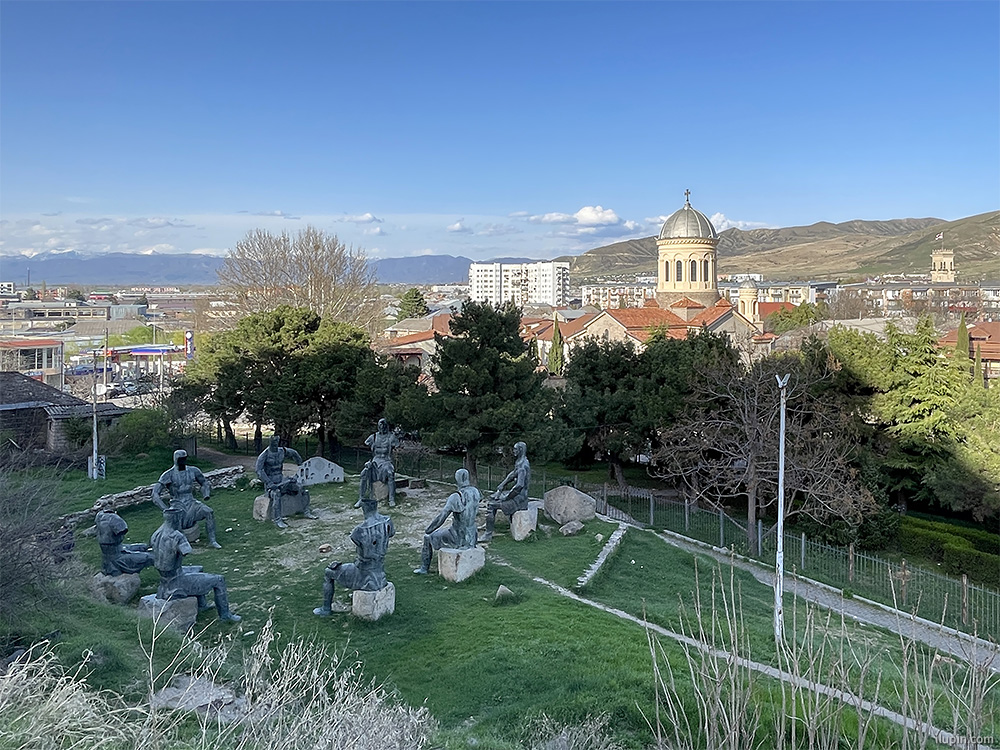
- Warriors sit at the foot of a medieval citadel, over which Georgians and Persians fought fiercely for centuries. Free entry.
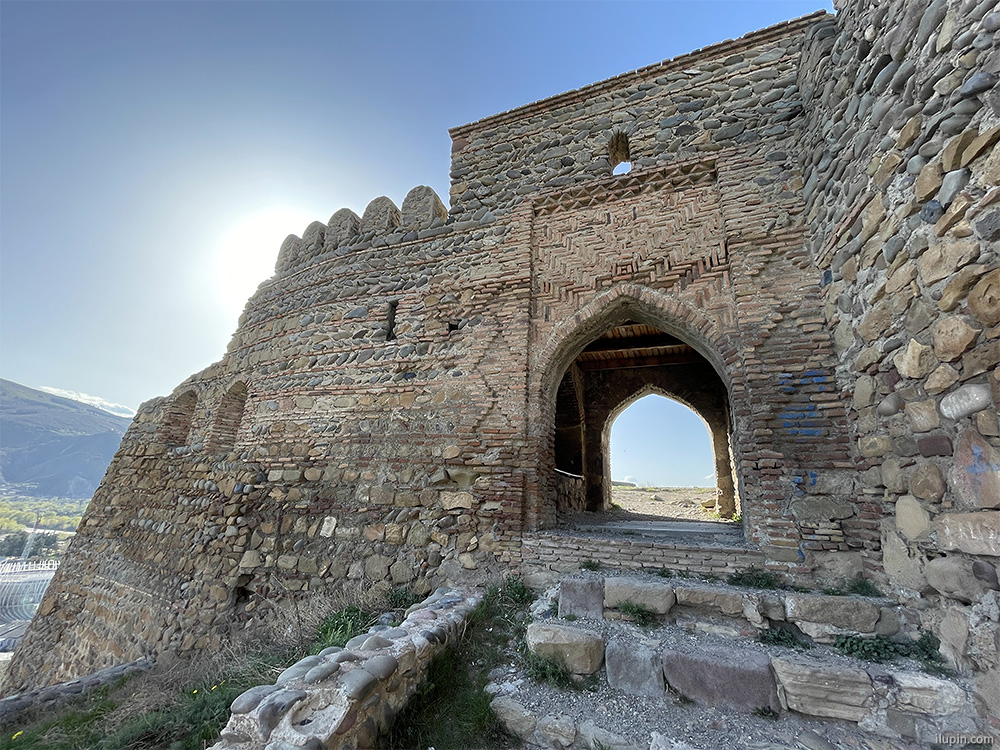
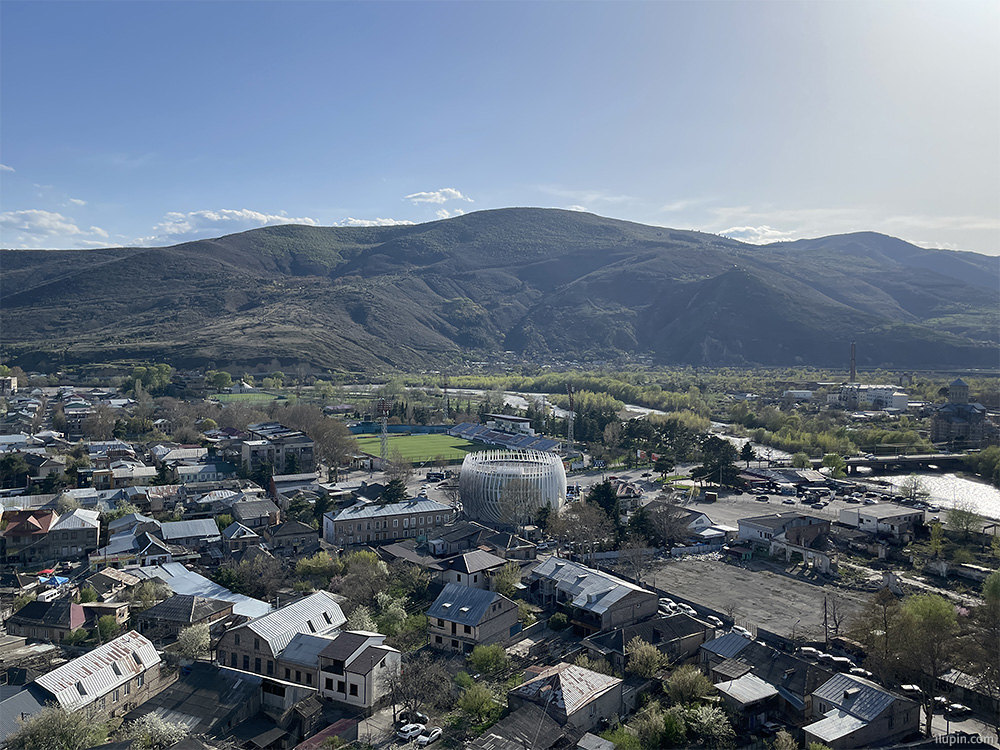
- From the walls, another view of Gori opens up, with the bionic Public Service Hall in the center. Like in Tbilisi, it embodies lightness and openness.
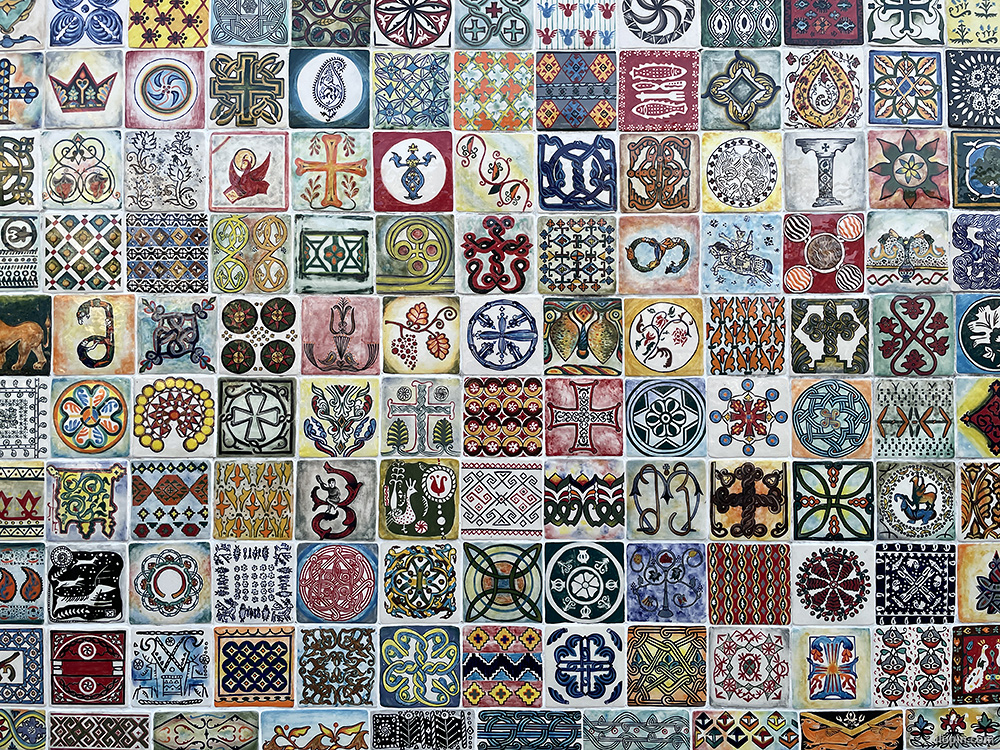
- And on the modest street of Amilakhvari, opposite the city hall, lies an incredible ceramic panel “1001 ornaments” by artist Irina Shotadze.